Printed Materials That Withstand High Desert Conditions
Professional Printing Services in Boise for businesses requiring materials that maintain quality in low-humidity environments
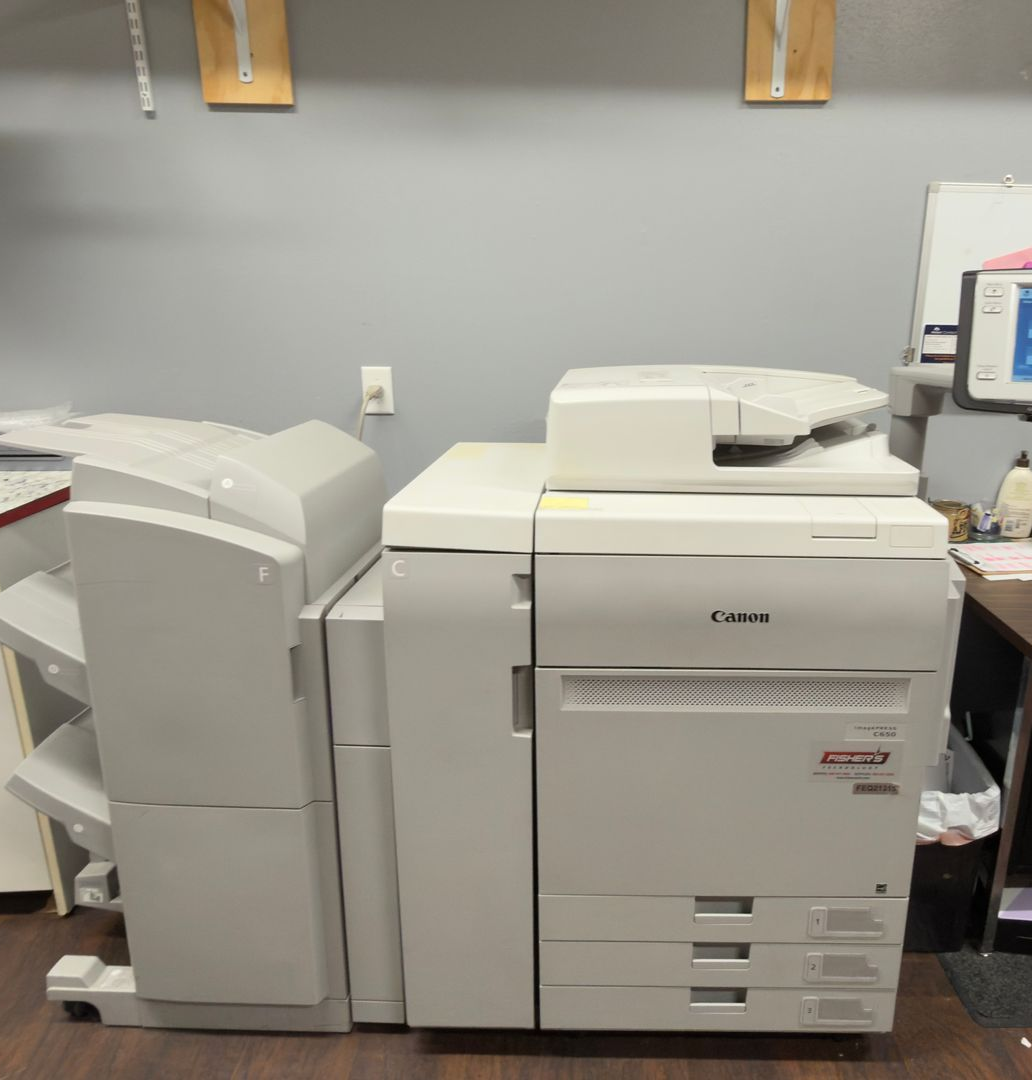
Boise's high desert climate causes paper to dry out and curl when printed with equipment that doesn't account for low humidity. Postal Plus Boise uses commercial-grade printing equipment designed to handle the moisture content variations that affect paper in this region, which means your printed materials stay flat and readable rather than warping after a few days. The equipment controls toner application and fusing temperature differently than consumer-grade printers, which prevents the curling and toner flaking that happens when standard machines process jobs in dry conditions.
Professional printing equipment handles heavier paper stocks, specialty finishes, and high-volume jobs that would overwhelm or damage basic office printers. The machinery sits underutilized relative to its capacity, which means it's maintained for optimal performance and available for jobs of any size without backlogs or quality compromises from overuse.
Request a quote based on your project specifications and paper requirements.
What Commercial Equipment Changes About Print Quality
Commercial printing equipment uses separate drums, precision toner application, and controlled fusing processes that produce sharper text edges and more consistent color than office-grade machines. The equipment calibrates for different paper weights and finishes automatically, which means cardstock, glossy paper, and standard copy paper all print correctly without manual adjustments. Temperature and pressure settings adjust based on material thickness, preventing the heat damage and toner smearing that happens when lightweight equipment tries to handle heavier stocks.
Once your job finishes, you receive materials with consistent color density across every sheet, clean text reproduction at small point sizes, and proper toner adhesion that won't flake off with handling. Business cards print with crisp edges, brochures fold without cracking along the toner lines, and presentation materials look uniform rather than showing the quality variation that happens when consumer printers struggle through long jobs. Documents remain flat rather than curling, which matters for materials that need to stack cleanly or feed through other equipment later.
The service includes file review before printing begins, which catches formatting issues, resolution problems, or color profile mismatches that would waste paper and time. Staff can adjust files for optimal output or work from your specifications exactly as provided, depending on your preference and technical familiarity with print preparation.
Common Questions About This Service
Professional printing involves equipment capabilities and material considerations that affect both cost and final quality, particularly in climates that challenge standard printing processes.
Why does Boise's climate require different printing equipment than humid regions?
Low humidity causes paper to lose moisture content rapidly, which makes it curl when heat and pressure are applied during printing. Commercial equipment controls fusing temperature and toner application to compensate for dry conditions, preventing the warping that happens when standard printers process jobs in high desert environments.
What file formats work best for professional printing?
PDF files with embedded fonts and proper color profiles produce the most consistent results, as they preserve formatting and prevent font substitution issues. Staff can work with Word documents, image files, and other formats, but PDFs eliminate variables that sometimes cause unexpected layout changes during the printing process.
How does commercial equipment handle different paper weights and finishes?
The machinery adjusts fusing temperature, drum pressure, and toner density automatically based on paper thickness and surface coating. Cardstock requires different heat settings than standard copy paper to prevent scorching, and glossy finishes need modified toner application to ensure proper adhesion without smearing.
What's the difference between this and using an office printer for business materials?
Commercial equipment produces sharper detail, more consistent color, and handles specialty papers that would jam or print poorly in office machines. The output quality difference becomes obvious in side-by-side comparison, particularly for materials like business cards and marketing brochures where professional appearance matters.
When should you choose professional printing instead of handling jobs in-house?
High-volume jobs, specialty paper stocks, and materials requiring consistent color across multiple sheets all benefit from commercial equipment. If your office printer struggles with paper jams, produces inconsistent results, or can't handle the paper weight you need, professional printing solves those limitations immediately.
Postal Plus Boise maintains high-end printing equipment that delivers professional results for business and personal projects. Bring your files in to discuss paper options and review output samples that demonstrate the quality difference commercial equipment provides.