Paper Records Converted to Permanent Digital Files
Document Scanning Services in Boise for businesses and individuals preserving records vulnerable to high desert climate deterioration
The high desert climate accelerates paper aging through low humidity, temperature fluctuations, and UV exposure that cause brittleness, fading, and eventual disintegration of important documents. Postal Plus Boise converts paper records to high-resolution digital files with searchable PDF output, which creates permanent archives that don't degrade regardless of storage conditions. Professional scanning equipment captures fine detail that remains readable when original documents become too fragile to handle, and the searchable format lets you locate specific information within large document sets without manually reviewing every page.
Document scanning preserves records that would otherwise deteriorate, particularly older materials like family documents, business archives, or legal papers stored for decades in conditions that speed paper breakdown. The digital files can be organized, duplicated, and shared without further handling of originals, which prevents the additional damage that occurs each time fragile paper gets unfolded, photocopied, or exposed to light.
Schedule a consultation to review your documents and discuss scanning resolution and output format options.
What Professional Scanning Equipment Preserves
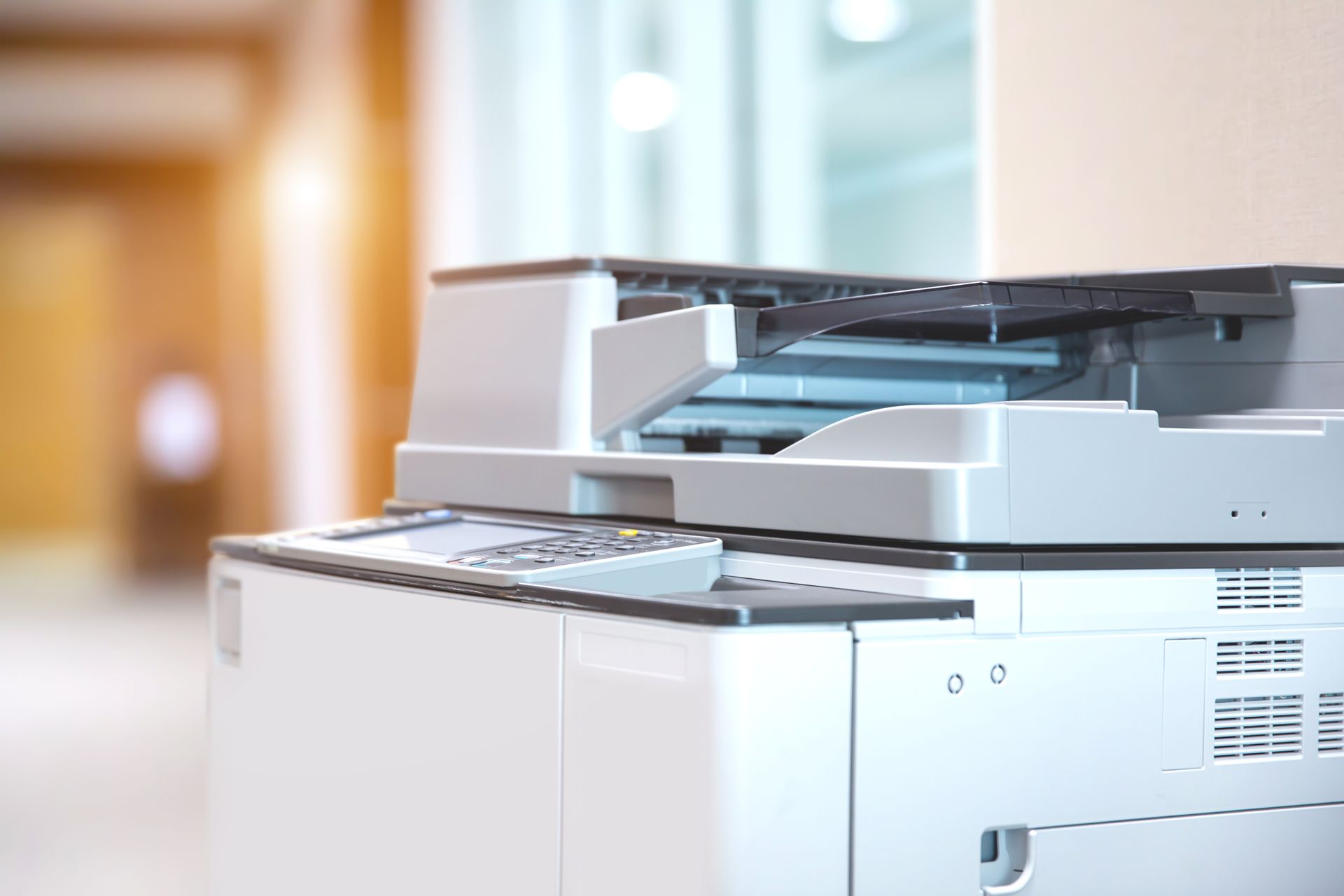
Professional scanning equipment captures documents at resolutions high enough to preserve fine print, handwritten notes, and image detail that low-resolution office scanners miss. The machinery handles fragile paper without causing additional tears or creases through careful feeding mechanisms and adjustable pressure settings. Optical character recognition processes each page to create searchable text within the PDF output, which means you can search for specific names, dates, or terms across thousands of pages instead of visually reviewing each document individually.
Once scanning completes, you receive digital files organized according to your specifications—single PDFs for complete document sets, individual files per page, or grouped by category depending on how you need to access the information later. The scanned images show everything visible on the original pages, including marginalia, stamps, and discoloration that provides historical context. Files can be stored on your own devices, backed up to cloud services, or kept on multiple drives to prevent loss from hardware failure or accidental deletion.
The service handles standard paper sizes, oversized documents, bound materials, and fragile items that require careful handling. Staff can scan entire file boxes, individual documents, or mixed collections containing varying paper types and conditions. The output remains accessible indefinitely without further deterioration, unlike paper originals that continue degrading even with careful storage.
Questions Before Starting Your Project
Document scanning involves resolution choices, file organization decisions, and handling considerations for fragile materials that affect both preservation quality and long-term usability of digital archives.
Why does Boise's climate make document digitization particularly important?
The high desert environment causes paper to dry out, become brittle, and eventually crack or crumble, particularly for older documents stored in fluctuating temperature conditions. Low humidity accelerates this deterioration compared to more humid climates, making digital preservation essential for records you need to keep long-term.
What resolution is necessary to preserve readable detail in scanned documents?
Professional scanning typically uses 300 to 600 DPI (dots per inch) depending on the original document's condition and text size. This resolution captures fine print and handwritten notes clearly, whereas low-resolution scans below 200 DPI often produce output that's difficult to read when zoomed or printed.
How does searchable PDF output work with scanned images?
Optical character recognition software analyzes each scanned page and identifies text characters, which it converts into searchable data embedded within the PDF file. You can then use standard PDF search functions to locate specific words or phrases across the entire document without reading every page manually.
What happens to the original documents after scanning is complete?
Originals are returned to you unless you request secure disposal through shredding. Most clients keep originals in storage after scanning, using digital files for regular access while preserving physical documents as backup or for situations requiring original signatures and notarizations.
How are scanned files organized for large document collections?
Staff work with you to establish organization systems before scanning begins, which might involve separate PDFs for different document types, chronological ordering, or grouping by subject matter. Clear file naming and folder structure make the digital archives easy to navigate later, particularly for collections containing hundreds or thousands of pages.
Postal Plus Boise provides quality document digitization and preservation using professional scanning equipment suited to fragile and aged materials. Bring your documents in or contact the business at (208) 344-1295 to discuss scanning requirements and file organization approaches for your specific preservation project.